Call the clinic+977 976-5000886Visit usM858+QR, 4th Floor, Lalitpur 44700, Nepal
Opening hoursSunday–Friday, 10:00 AM–6:00 PM

Growing smiles / prevention / confidence
Gentle, age-appropriate visits that build healthy habits and trust.
Finding a children’s dentist in Lalitpur is about more than treating a tooth. Early experiences can influence how a child feels about dental care for years. At Smile Arc Dental Clinic, children’s visits are paced around communication, comfort and the child’s stage of development. We use simple explanations and avoid promising that a procedure will feel like “nothing,” because trust grows when children receive honest, reassuring guidance.
Preventive appointments can help parents understand brushing, fluoride, diet, tooth eruption and common habits. They also give the dental team an opportunity to identify decay, gum concerns, injury or development issues. The recommended timing and type of care depend on the child’s age, cooperation, symptoms and clinical findings.
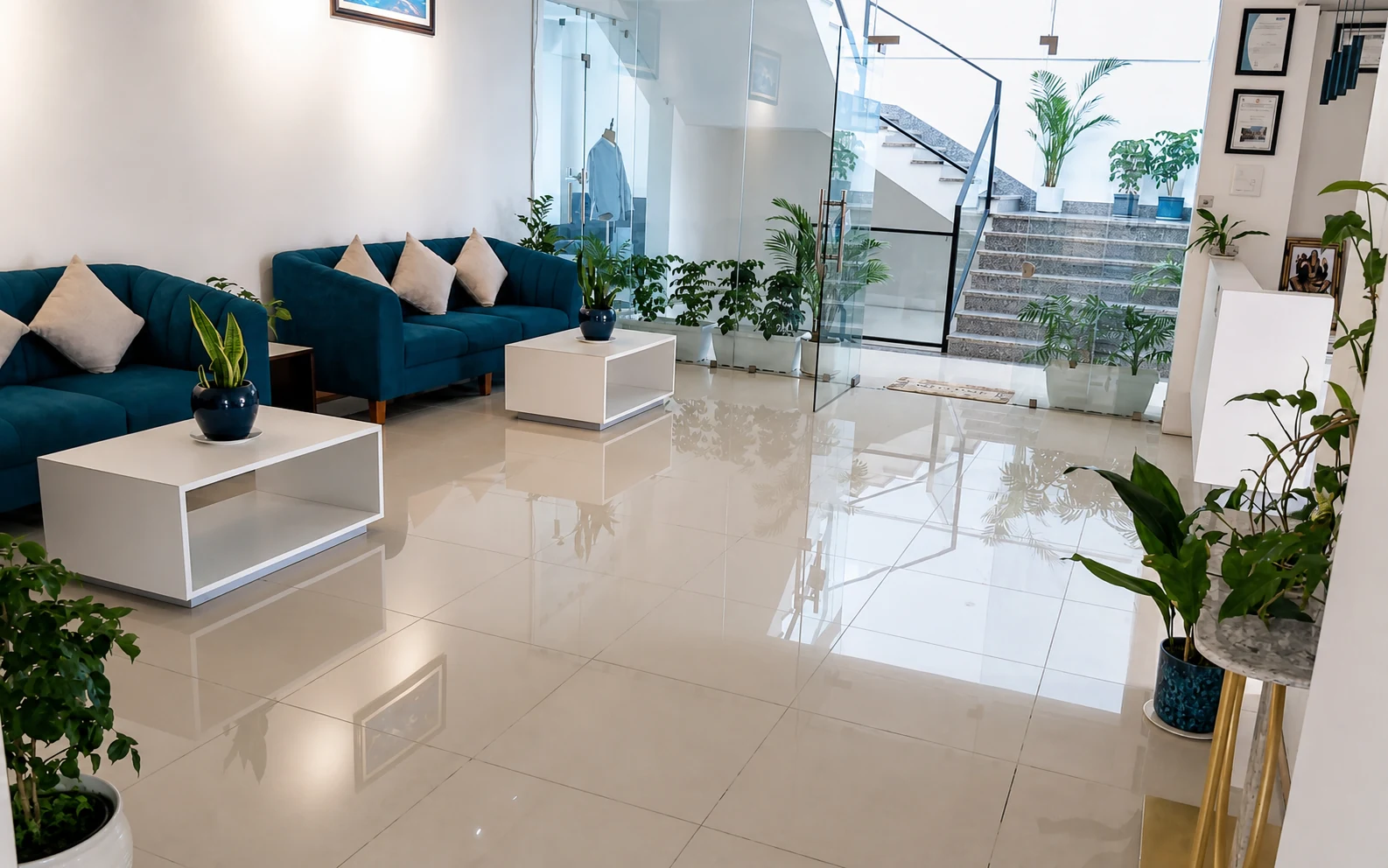
Inside Smile Arc

Age-appropriate language, parent partnership and honest reassurance help children feel safe without making promises we cannot keep.
Visit pacing
Care partnership
Children's DentistryGentle care · Clear plan · Lalitpur
Fit check
Children benefit from dental visits before discomfort becomes the reason they first meet the dental team.
Your child is ready to become familiar with the chair, mirror and a simple examination.
You want help with brushing, fluoride, diet, eruption or common oral habits.
There is toothache, a spot, swelling, trauma, a broken tooth or sensitivity.
A slower, trust-building approach may help after fear or an incomplete previous appointment.
Meaningful outcomes
Benefits are discussed against your diagnosis, priorities and the limits of the selected treatment.
Predictable words and small choices help the dental setting feel less unknown.
Parents receive practical guidance while teeth, gums and development are monitored.
Children are prepared for sensations in simple language rather than surprised by false promises.
Home care, food patterns and review timing become shared, achievable habits.
Your treatment map
The pathway below shows the usual decision points. Your clinical plan may be shorter, longer or staged differently.
Use neutral words and tell us about previous experiences, needs or useful calming strategies. Timing: Before the visit.
The child is introduced to the room, people and tools at a pace appropriate to age. Timing: Welcome.
A gentle examination, tooth counting and preventive care are completed where cooperation allows. Timing: Assessment.
Parents receive findings, options, home advice and a plan for treatment or familiarization. Timing: Together.
Comfort plan
The team uses simple explanations, show-and-tell, manageable choices and pauses. Completing every procedure in one visit is never more important than safety and lasting trust.
You stay in control. Ask to pause, clarify or review an option before treatment continues.
Tools and sensations are introduced in child-friendly steps before use.
Parents share medical, sensory and behavioural information that helps tailor communication.
When safe, treatment can be staged or a familiarization visit used instead of forcing completion.
Plan your visit
These are practical planning ranges, not guarantees. Findings and individual response can change timing.
The goal may be assessment and familiarity rather than completing treatment.
Procedure length is adapted to need, cooperation and safety.
Routine examination needs none; fillings, extraction or trauma care have specific advice.
Informed choice
Children need individualized care. The least stressful safe option may be prevention, staged treatment, monitoring or referral.
Paths to compare
Fluoride, brushing support, diet changes and reviews may manage risk before restoration is needed.
Short visits can build cooperation before non-urgent treatment.
Very young age, medical needs, significant anxiety or treatment complexity may need a specialist setting.
Know before deciding
Age, urgency and coping can limit what is safe to complete in one appointment.
Primary teeth support eating, speech, comfort and space for developing permanent teeth.
Clinic care cannot replace twice-daily brushing, fluoride guidance and family food habits.
Cost clarity
Cost depends on whether the visit is preventive, diagnostic, restorative or urgent, as well as the number of teeth involved and whether care needs staging or referral.
Children may have different policy benefits or age rules. Confirm preventive limits, fluoride coverage, restoration benefits and any pre-authorization requirement.
Coverage decisions remain with your insurer. A clinic estimate is not a guarantee of reimbursement.
Questions before care
Open a question for a concise answer. Personal advice still requires examination and relevant records.
Children should be introduced to dental care early. The appropriate timing can depend on tooth eruption, symptoms and local professional guidance.
Use calm, neutral words and avoid sharing frightening experiences. Tell the clinic about anxiety or previous difficulties before the appointment.
The clinician may use gradual familiarization, modify the visit or discuss referral depending on age, urgency, complexity and safety.
A gentler first step
Tell us your child’s age, the main concern and anything that helps them feel comfortable so we can plan the right pace.
Age-appropriate languageParents includedSafety before speed