Call the clinic+977 976-5000886Visit usM858+QR, 4th Floor, Lalitpur 44700, Nepal
Opening hoursSunday–Friday, 10:00 AM–6:00 PM

Tooth replacement / surgical planning
Assessment-led tooth replacement focused on comfort, function and maintainability.
Dental implants in Lalitpur may provide a fixed option for replacing one or more missing teeth. An implant is placed in the jaw to support a restoration, but successful care involves more than the implant itself. Bone, gums, bite, neighbouring teeth, medical history, smoking status and the space available all influence suitability and planning.
At Smile Arc Dental Clinic, the process begins with a detailed consultation rather than an assumption that implants are the only answer. Alternatives can include a bridge, removable denture or, in some situations, monitoring. A good recommendation compares these choices in relation to comfort, maintenance, treatment time, cost and the condition of the remaining teeth.
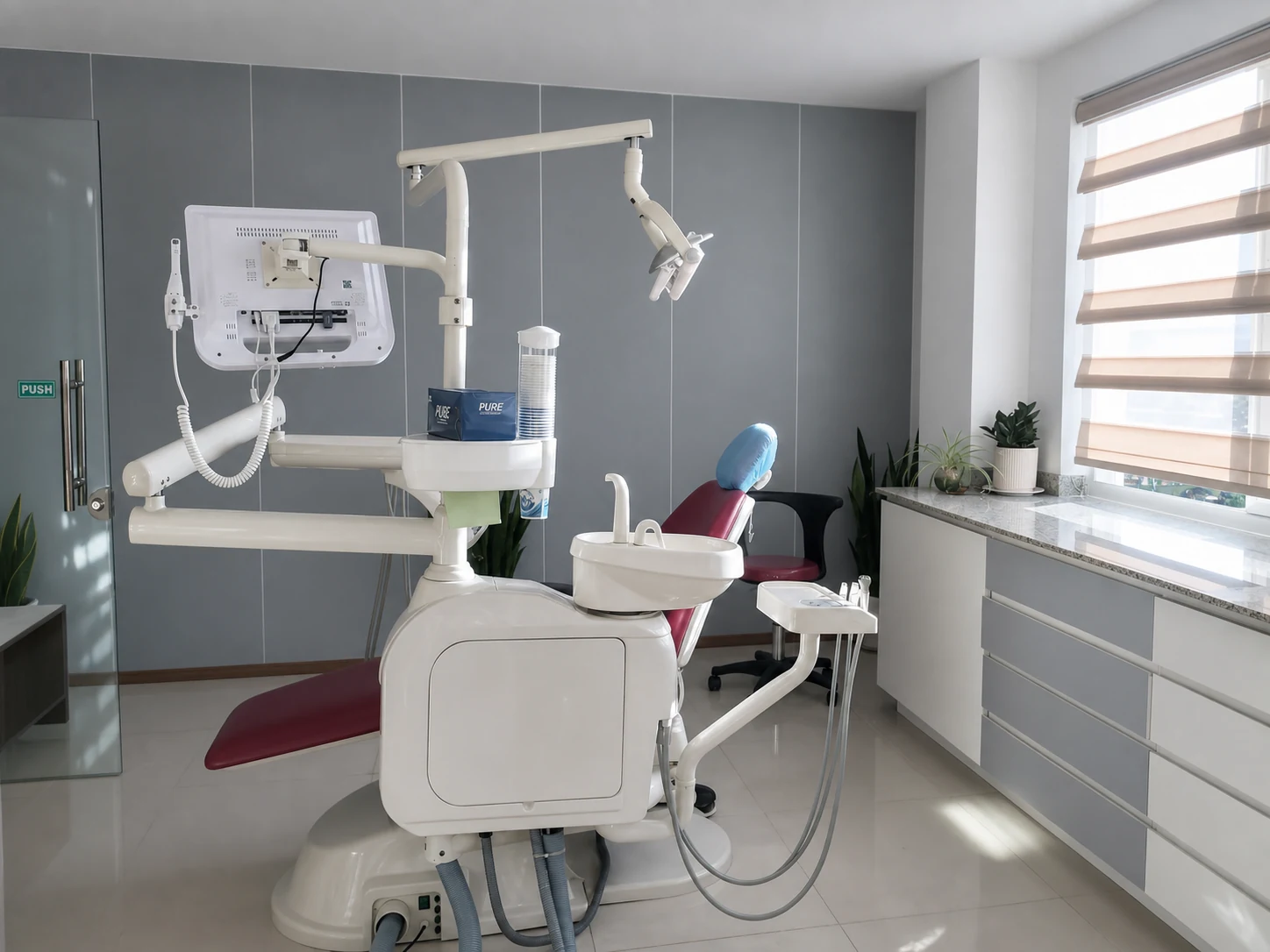
Inside Smile Arc

Bone, gum health, bite and long-term cleaning determine whether an implant is the right replacement—not the missing space alone.
Treatment pathway
Maintenance focus
Dental ImplantsGentle care · Clear plan · Lalitpur
Fit check
An implant assessment is relevant when one or more teeth are missing and you want to compare fixed and removable replacement options.
You want to restore the space without automatically preparing the neighbouring teeth.
You need to understand whether implants could support a bridge or removable solution.
Healthy gums, manageable medical risks and reliable daily cleaning support predictability.
You are comfortable with assessment, possible preparatory care, healing and restoration as separate stages.
Meaningful outcomes
Benefits are discussed against your diagnosis, priorities and the limits of the selected treatment.
A well-planned restoration can improve function in the missing-tooth area.
A single implant may avoid using adjacent teeth as bridge supports when conditions are suitable.
The visible restoration is designed around space, gum form, bite and neighbouring teeth.
Cleaning access, risk factors and professional reviews are designed into the result.
Your treatment map
The pathway below shows the usual decision points. Your clinical plan may be shorter, longer or staged differently.
Medical history, gums, bite, space and expectations are reviewed clinically. Timing: Consultation.
Appropriate imaging evaluates bone anatomy and supports a written sequence. Timing: Diagnostic phase.
Gum treatment, extraction healing or additional procedures may be needed first. Timing: When required.
The implant is placed where suitable and allowed time to integrate before final loading. Timing: Healing phase.
The final tooth is fitted, bite is checked and long-term cleaning reviews begin. Timing: Restoration.
Comfort plan
Local anaesthesia and a paced procedure are used where clinically appropriate. Expectations for pressure, swelling and post-treatment soreness are discussed before consent.
You stay in control. Ask to pause, clarify or review an option before treatment continues.
Medication, eating and escort instructions are clarified for the planned procedure.
The team confirms comfort before beginning and continues to check throughout treatment.
Cleaning, diet, medication and warning signs are explained for the healing period.
Plan your visit
These are practical planning ranges, not guarantees. Findings and individual response can change timing.
Imaging may be arranged separately depending on the site and records available.
Procedure length varies with the number of implants and site preparation.
Swelling and soreness vary; bone integration takes substantially longer than soft-tissue recovery.
Informed choice
Implants are one replacement pathway. The best choice depends on anatomy, neighbouring teeth, maintenance, timing, health and budget.
Paths to compare
A fixed replacement supported by neighbouring teeth, with different preparation and cleaning considerations.
A non-surgical option that can replace several teeth and may be easier to modify.
In selected situations, monitoring may be considered after discussing bite and tooth-movement risks.
Know before deciding
Bone, gums, medical conditions, smoking and site anatomy can change or prevent treatment.
Immediate restoration is not appropriate for every implant or every patient.
Surrounding tissues can develop inflammation and restorations can wear or need repair.
Cost clarity
Implant cost is shaped by imaging, site preparation, implant components, healing requirements, the final restoration and whether one or several teeth are being replaced.
Policies may classify surgery, components and the final restoration separately. Request written benefit information and pre-authorization before assuming the full pathway is covered.
Coverage decisions remain with your insurer. A clinic estimate is not a guarantee of reimbursement.
Questions before care
Open a question for a concise answer. Personal advice still requires examination and relevant records.
No. Suitability depends on bone, gum health, medical history, habits, space and other findings. An examination and imaging are required.
Timing varies by site, healing, additional procedures and restoration type. Your clinician should provide an individualized sequence after assessment.
They require excellent daily cleaning and ongoing professional review. Although the implant cannot decay, surrounding tissues can develop disease.
Start with suitability
Share which tooth is missing, how long it has been absent and whether you have previous scans or treatment records.
Alternatives comparedStaged treatment planMaintenance explained