Call the clinic+977 976-5000886Visit usM858+QR, 4th Floor, Lalitpur 44700, Nepal
Opening hoursSunday–Friday, 10:00 AM–6:00 PM

Alignment / bite / retention
Alignment and bite care designed for function, confidence and long-term stability.
Orthodontic treatment in Lalitpur may help improve crowded teeth, spacing, tooth position and aspects of the bite. Smile Arc Dental Clinic approaches orthodontic care as more than straightening visible front teeth. A responsible plan considers jaw relationships, gum health, cleaning access, facial balance and how the teeth are expected to function together.
Both adults and younger patients can ask for an orthodontic assessment. Timing matters, particularly for growing children, but there is no single appliance or schedule that suits everyone. The first step is a clinical examination and discussion of goals. Records such as photographs, scans or radiographs may be recommended before a diagnosis and treatment plan are confirmed.
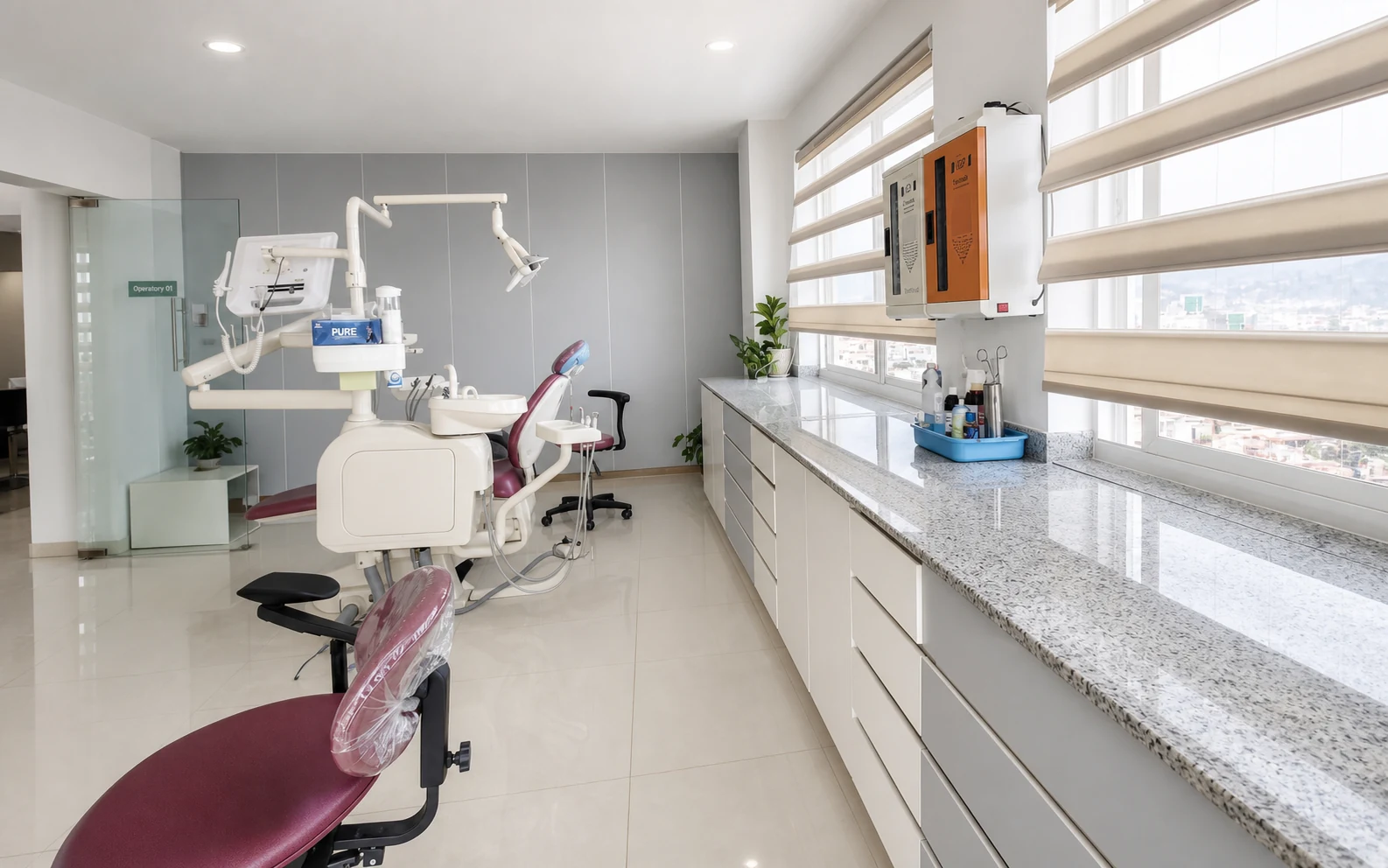
Inside Smile Arc

Braces or aligners are only the active phase. Diagnosis, progress reviews and lifelong retention make the result dependable.
Assessment mindset
Retention planning
OrthodonticsGentle care · Clear plan · Lalitpur
Fit check
An orthodontic assessment can help when tooth position affects confidence, cleaning access, wear or how the bite meets.
Teeth are difficult to clean or appear rotated, displaced or layered.
Gaps affect smile balance, food trapping or the planned replacement of a missing tooth.
Front or back teeth do not meet as expected, or there is uneven wear or functional concern.
Treatment timing differs, but suitability is based on oral health and diagnosis rather than age alone.
Meaningful outcomes
Benefits are discussed against your diagnosis, priorities and the limits of the selected treatment.
Planned movement improves tooth position while respecting gums, roots and facial relationships.
Reducing overlap can make brushing and interdental care more manageable.
The plan evaluates how upper and lower teeth work together, not only the visible front teeth.
Retainers and review expectations are included from the beginning, not introduced as an afterthought.
Your treatment map
The pathway below shows the usual decision points. Your clinical plan may be shorter, longer or staged differently.
Goals, tooth position, bite, gum health and growth considerations are reviewed. Timing: Visit 1.
Photographs, scans and radiographs may be arranged where clinically indicated. Timing: Records.
Fixed braces, aligners, monitoring or referral are compared with responsibilities and limits. Timing: Decision.
Scheduled reviews track movement, hygiene, wear compliance and appliance condition. Timing: Progress phase.
Retainers protect the corrected position and require long-term use and review. Timing: Ongoing.
Comfort plan
Mild pressure and tenderness are common after fitting or adjustments. Knowing what is normal, how to eat and when to call makes the process less stressful.
You stay in control. Ask to pause, clarify or review an option before treatment continues.
Forces and review timing are selected according to the planned movement and biological response.
Soft foods, oral hygiene adjustments and appliance wax may help during short adaptation periods.
A loose bracket, sharp wire or lost aligner should be reported so the next step can be advised.
Plan your visit
These are practical planning ranges, not guarantees. Findings and individual response can change timing.
A separate records appointment may be recommended before a final plan.
Intervals depend on appliance type, movement and clinical response.
Tenderness often settles after fitting or adjustment; significant pain needs review.
Informed choice
Not every alignment concern requires the same appliance, and some appearance concerns can be managed without orthodontic movement.
Paths to compare
Offer controlled movement across many case types but require careful cleaning and regular reviews.
A removable option for suitable movements, dependent on consistent daily wear.
Observation or a focused objective may be appropriate when comprehensive treatment is unnecessary.
Know before deciding
Missed visits, broken appliances or inconsistent aligner wear can extend treatment.
Retention is a long-term responsibility because stability is never automatic.
Jaw relationships, impacted teeth or multidisciplinary needs can require specialist input.
Cost clarity
Orthodontic cost depends on diagnostic records, case complexity, appliance type, estimated treatment length, review schedule and the retainers included after active care.
Orthodontic benefits may have age limits, lifetime maximums or pre-authorization rules. Confirm whether records, appliances and retainers are treated as separate benefits.
Coverage decisions remain with your insurer. A clinic estimate is not a guarantee of reimbursement.
Questions before care
Open a question for a concise answer. Personal advice still requires examination and relevant records.
Adults can often receive orthodontic care if teeth and gums are healthy enough. Suitability depends more on clinical findings than age alone.
Neither option is universally better. The right appliance depends on the required movement, complexity, lifestyle and ability to follow wear instructions.
Teeth can shift after active treatment. Retainers help maintain the corrected position and are a long-term part of orthodontic care.
Map your treatment
Tell us whether your priority is crowding, spacing, bite or an appliance comparison so we can prepare the right first visit.
Braces and aligner guidanceBite-led planningRetention included