Call the clinic+977 976-5000886Visit usM858+QR, 4th Floor, Lalitpur 44700, Nepal
Opening hoursSunday–Friday, 10:00 AM–6:00 PM

Preventive care / gum health
A fresher, healthier smile with prevention-focused care.
Professional dental cleaning in Lalitpur helps remove the plaque, hardened deposits and surface staining that daily brushing cannot always reach. At Smile Arc Dental Clinic, a cleaning visit begins with a careful look at your teeth and gums so the appointment can be adapted to your current oral health, sensitivity and comfort.
Routine cleaning is not simply a cosmetic polish. It supports healthier gums, fresher breath and earlier recognition of changes that may need attention. Our team explains what we see in plain language, checks in throughout the visit and gives practical home-care guidance based on your needs rather than a generic checklist.
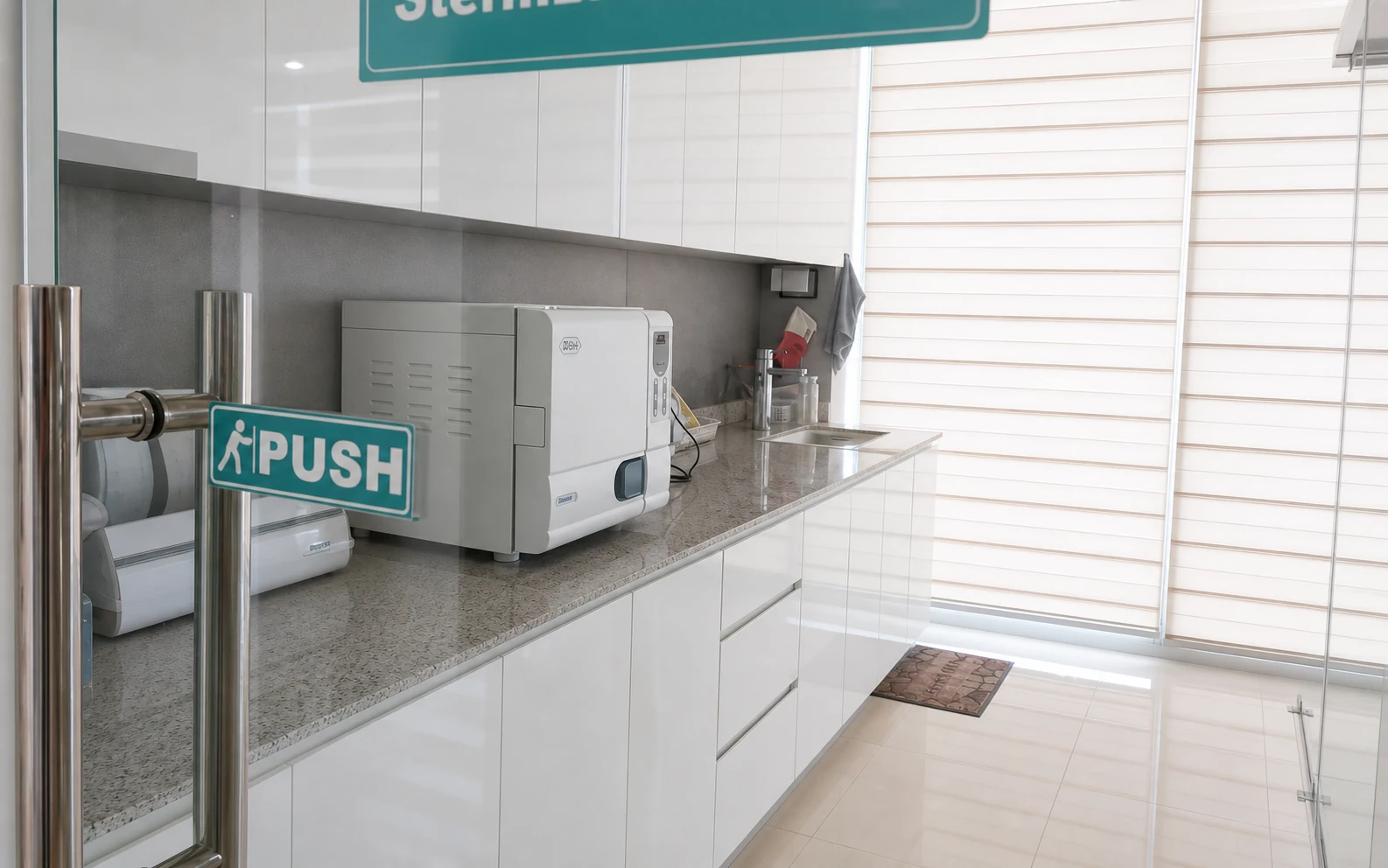
Inside Smile Arc

Precision plaque removal, a polished finish and practical home-care coaching in one calm visit.
Typical appointment
Return to routine
Dental CleaningGentle care · Clear plan · Lalitpur
Fit check
A professional cleaning is often appropriate when daily care needs extra support or your gums are showing early warning signs.
Your teeth feel rough, especially behind the lower front teeth, even after brushing.
Gums bleed during brushing or flossing, or feel puffy and sensitive.
Tea, coffee, tobacco or food pigments have left visible external stains.
You want a professional baseline and personalized advice before problems become disruptive.
Meaningful outcomes
Benefits are discussed against your diagnosis, priorities and the limits of the selected treatment.
Removing deposits reduces the local irritants that contribute to inflammation and bleeding.
Polishing selected surfaces can reduce roughness and external stain without changing natural tooth colour.
The visit creates an opportunity to identify gum changes, sensitivity or areas that need examination.
Advice focuses on the brushes, interdental tools and habits that fit your mouth and schedule.
Your treatment map
The pathway below shows the usual decision points. Your clinical plan may be shorter, longer or staged differently.
We discuss sensitivity, bleeding, previous cleaning experiences and examine teeth and gums. Timing: 5-10 minutes.
Plaque and calculus are carefully removed with a technique adapted to comfort and gum condition. Timing: 25-35 minutes.
Selected surfaces are polished and difficult areas are checked again. Timing: 10-15 minutes.
You leave with focused home-care guidance and a recall recommendation based on findings. Timing: Before you leave.
Comfort plan
Cleaning should feel controlled, not rushed. Tell us about sensitive teeth or previous difficult appointments so pressure, instrument choice and pacing can be adjusted.
You stay in control. Ask to pause, clarify or review an option before treatment continues.
Short pauses and working in small areas can make a thorough visit easier.
Exposed roots or inflamed gums are approached carefully, with options discussed before proceeding.
You can ask to pause at any point; the clinician checks in rather than assuming comfort.
Plan your visit
These are practical planning ranges, not guarantees. Findings and individual response can change timing.
Examination needs and the amount of deposit can change the appointment length.
Most patients return to work, school and normal activity straight away.
Temporary gum tenderness or cold sensitivity can occur when inflammation or heavy deposits were present.
Informed choice
Cleaning supports prevention, but it cannot replace diagnosis or treat every gum condition in a single routine visit.
Paths to compare
Deeper deposits or periodontal disease may need staged, site-specific therapy and closer reviews.
If colour remains after cleaning, a separate whitening suitability assessment may be considered.
Pain, swelling, a loose tooth or unexplained bleeding may require diagnostic assessment before cleaning.
Know before deciding
Cleaning removes external stain but does not bleach the natural shade of teeth.
Plaque reforms daily, so brushing and interdental cleaning remain essential.
There is no responsible one-size-fits-all schedule; gum risk and findings determine recall timing.
Cost clarity
Cost depends on the examination required, deposit level, gum condition and whether care can be completed as a routine cleaning or needs a more involved periodontal approach.
Preventive benefits differ by policy. Ask your insurer whether examination, scaling and polishing are separate benefits and whether a waiting period or annual limit applies.
Coverage decisions remain with your insurer. A clinic estimate is not a guarantee of reimbursement.
Questions before care
Open a question for a concise answer. Personal advice still requires examination and relevant records.
The right interval depends on gum health, home care, medical factors and previous findings. Many patients attend periodically, but your dentist should recommend a schedule after assessment.
Temporary sensitivity is possible, especially around exposed root surfaces or inflamed gums. Tell the clinician if you are sensitive so the pace and technique can be adjusted.
No. Cleaning removes plaque, deposits and some surface stain. Whitening changes tooth colour using a separate treatment that requires suitability assessment.
Start with prevention
Tell us about sensitivity, bleeding or the last time you had a cleaning so we can reserve the right appointment length.
Sensitivity-aware pacingPersonal home-care planClear next-step advice